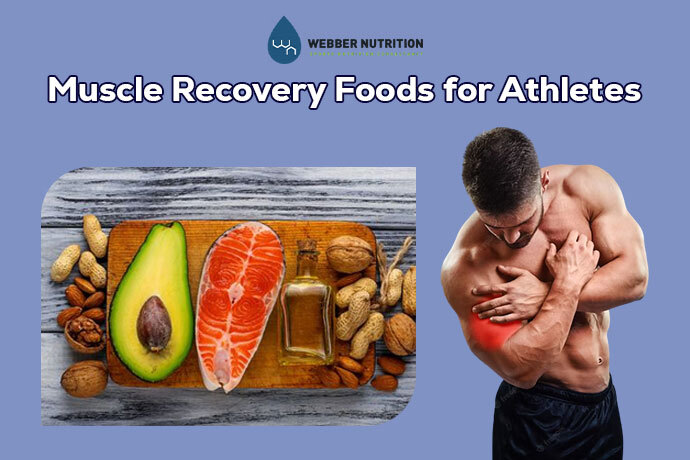
Effective recovery is crucial for maximizing athletic performance, preventing injuries, and achieving overall fitness goals. Whether you're an athlete or a fitness enthusiast, incorporating proper recovery techniques into your routine can help you bounce back faster, reduce soreness, and maintain peak performance. Here’s a detailed guide to essential recovery techniques that can optimize your post-workout recovery.
1. Active Recovery
Active recovery involves engaging in low-intensity exercise to help your body recover after a strenuous workout. Unlike complete rest, active recovery promotes blood flow and aids in the removal of metabolic waste products.
Examples:
- Light Jogging: Gentle running or walking to maintain circulation.
- Cycling: Easy cycling sessions to promote blood flow in the lower body.
- Swimming: Gentle swimming to relax muscles and improve flexibility.
Benefits:
- Enhanced Circulation: Increases blood flow to muscles, which can aid in nutrient delivery and waste removal.
- Reduced Muscle Stiffness: Helps alleviate post-exercise muscle stiffness and soreness.
2. Stretching and Flexibility
Stretching is an essential part of recovery, as it helps maintain flexibility, improve range of motion, and reduce muscle tension.
Types of Stretching:
- Static Stretching: Holding stretches for 15-60 seconds to lengthen muscles. Best performed after exercise.
- Dynamic Stretching: Gentle, controlled movements that gradually increase range of motion. Useful as a warm-up before workouts.
Benefits:
- Improved Flexibility: Enhances muscle length and joint mobility.
- Reduced Risk of Injury: Maintains and improves flexibility, which can prevent injuries.
**3. Foam Rolling and Self-Myofascial Release
Foam rolling and self-myofascial release (SMR) techniques involve using a foam roller or other tools to apply pressure to specific muscle groups, promoting muscle recovery and reducing tightness.
How to Use:
- Foam Roller: Roll slowly over muscles, focusing on areas of tension for 1-2 minutes per muscle group.
- Massage Balls: Use smaller balls for targeted pressure on specific points.
Benefits:
- Reduced Muscle Soreness: Helps alleviate delayed onset muscle soreness (DOMS).
- Improved Blood Flow: Enhances circulation and reduces muscle tightness.
4. Proper Nutrition
Nutrition plays a critical role in recovery by providing the necessary nutrients for muscle repair and energy replenishment.
Post-Workout Nutrition:
- Protein: Essential for muscle repair. Sources include lean meats, dairy, legumes, and protein shakes.
- Carbohydrates: Replenish glycogen stores depleted during exercise. Include fruits, whole grains, and vegetables.
- Hydration: Replenish fluids and electrolytes lost during exercise. Drink water or sports drinks.
Benefits:
- Muscle Repair: Protein provides the building blocks for muscle recovery.
- Energy Replenishment: Carbohydrates restore glycogen levels and support energy recovery.
5. Adequate Sleep
Sleep is a fundamental recovery tool that allows your body to repair and regenerate. During sleep, growth hormone levels increase, aiding muscle recovery and overall health.
Sleep Tips:
- Consistency: Aim for 7-9 hours of quality sleep per night.
- Sleep Environment: Create a conducive sleep environment with a comfortable mattress, minimal light, and a cool temperature.
Benefits:
- Muscle Recovery: Enhances muscle repair and growth.
- Overall Health: Supports immune function, cognitive performance, and mood regulation.
6. Hydration
Hydration is vital for optimal performance and recovery. Proper hydration helps maintain fluid balance, regulate body temperature, and support metabolic functions.
Hydration Strategies:
- Pre-Hydrate: Drink water before exercising to ensure optimal hydration levels.
- During Exercise: Sip water or electrolyte drinks to stay hydrated during workouts.
- Post-Exercise: Replenish fluids and electrolytes lost during exercise.
Benefits:
- Reduced Risk of Dehydration: Prevents dehydration and related issues.
- Improved Performance: Supports overall bodily functions and exercise performance.
7. Cold and Heat Therapy
Cold and heat therapy are commonly used techniques to manage muscle soreness and inflammation.
Cold Therapy:
- Ice Packs: Apply to sore or inflamed areas for 15-20 minutes to reduce inflammation and numb pain.
- Cold Baths: Immersion in cold water can reduce muscle soreness and inflammation.
Heat Therapy:
- Heat Packs: Apply to relax muscles and increase blood flow. Best used for muscle tension and stiffness.
- Warm Baths: Soaking in a warm bath can promote relaxation and ease muscle tightness.
Benefits:
- Inflammation Reduction: Cold therapy reduces inflammation and pain.
- Muscle Relaxation: Heat therapy promotes muscle relaxation and blood flow.
8. Massage Therapy
Massage therapy involves professional or self-massage techniques to alleviate muscle tension, improve circulation, and enhance recovery.
Types of Massage:
- Swedish Massage: Uses long strokes and kneading to relax muscles and improve circulation.
- Deep Tissue Massage: Targets deeper layers of muscle and connective tissue for tension relief.
Benefits:
- Enhanced Recovery: Improves circulation, reduces muscle soreness, and accelerates recovery.
- Stress Reduction: Promotes relaxation and reduces stress levels.
9. Mindfulness and Relaxation Techniques
Mindfulness and relaxation techniques can aid recovery by reducing stress and promoting mental well-being.
Techniques:
- Meditation: Practice mindfulness or meditation to reduce stress and enhance mental clarity.
- Deep Breathing: Engage in deep breathing exercises to promote relaxation and lower cortisol levels.
Benefits:
- Stress Management: Reduces stress and its impact on recovery.
- Enhanced Recovery: Supports overall well-being and recovery.
Conclusion
Incorporating effective recovery techniques into your fitness routine is essential for optimizing performance, preventing injuries, and achieving your health goals. From active recovery and stretching to proper nutrition and sleep, each technique plays a vital role in enhancing recovery and maintaining peak performance. By understanding and applying these techniques, you can improve your overall fitness experience and ensure your body is well-equipped to handle future challenges.



0 Comments