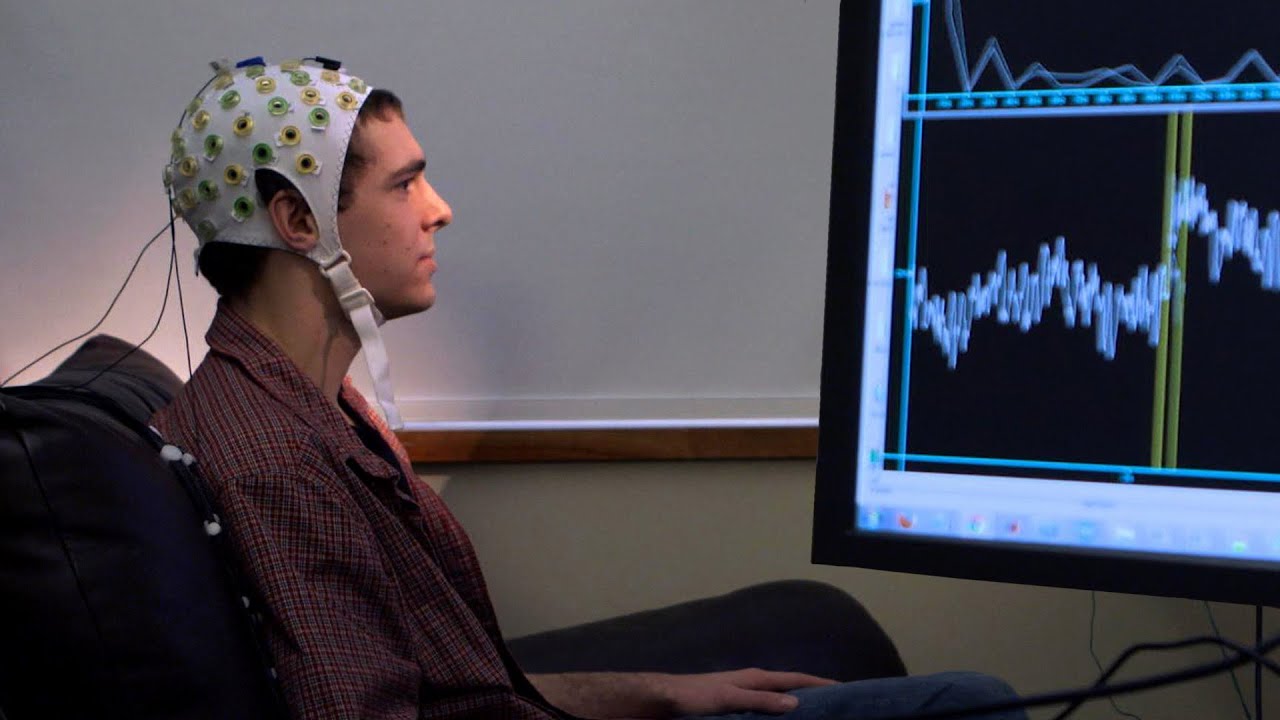
In the realm of modern technology, Brain-Computer Interfaces (BCIs) represent a groundbreaking innovation that bridges the gap between the human brain and external devices. These interfaces hold immense potential to revolutionize various fields, from healthcare and gaming to assistive technologies and beyond. In this comprehensive blog, we will delve into what BCIs are, how they work, their applications, current advancements, challenges, and the future possibilities they hold.
Understanding Brain-Computer Interfaces (BCI)
What is a BCI?
A Brain-Computer Interface (BCI), also known as a Brain-Machine Interface (BMI), is a direct communication pathway between the brain and an external device, enabling real-time interaction without the need for traditional input methods like keyboards or mice. BCIs interpret brain signals, translate them into commands, and execute actions in devices or software.
Types of BCIs
Invasive BCIs: Implanted directly into the brain, typically used in medical research and assistive technologies.
Non-invasive BCIs: External devices that measure brain activity through scalp electrodes or other sensors, commonly used in research and consumer applications.
How Brain-Computer Interfaces Work
Signal Acquisition
BCIs detect and record brain signals, known as electroencephalography (EEG) signals, through electrodes placed on the scalp or implanted in the brain. These signals represent neural activity associated with specific thoughts, intentions, or actions.
Signal Processing and Interpretation
Advanced algorithms and signal processing techniques analyze EEG data to decode neural patterns and extract meaningful information. Machine learning and artificial intelligence play crucial roles in enhancing the accuracy and speed of signal interpretation.
Command Execution
Decoded brain signals are translated into commands that control external devices, such as computers, prosthetic limbs, robotic arms, or virtual reality environments. BCIs enable users to perform actions or interact with technology solely through mental processes.
Applications of Brain-Computer Interfaces
Healthcare and Medicine
Assistive Technologies: Restoring mobility and communication abilities for individuals with spinal cord injuries, ALS, or paralysis.
Neurorehabilitation: Facilitating motor recovery and cognitive rehabilitation after stroke or traumatic brain injury.
Gaming and Entertainment
Immersive Gaming: Enhancing user experience in virtual reality (VR) environments with intuitive control and interaction.
Neurofeedback: Training tools for cognitive enhancement and mental focus in gaming and sports.
Communication and Control
Augmentative and Alternative Communication (AAC): Enabling speech and communication for individuals with speech disorders or locked-in syndrome.
Environmental Control: Controlling smart home devices, wheelchairs, or vehicles through thought commands.
Current Advancements in BCI Technology
Hybrid BCIs
Combining multiple modalities (e.g., EEG with functional near-infrared spectroscopy or fMRI) to enhance signal accuracy and versatility.
Closed-Loop Systems
Real-time feedback mechanisms that adjust BCI responses based on user feedback or brain state changes, improving performance and usability.
Consumer Applications
Development of wearable BCIs for everyday use, such as brain-controlled gadgets, virtual assistants, and cognitive enhancement devices.
Challenges and Considerations
Technical Challenges
Signal Quality and Noise: Ensuring reliable and accurate signal acquisition in varying environments.
Adaptation and Training: Individual variability in brain signals and learning curves for effective BCI use.
Ethical and Privacy Issues
Informed Consent: Addressing ethical concerns related to data privacy, consent for invasive procedures, and potential misuse of brain data.
Neuroethics: Ethical implications of cognitive enhancement, mind reading technologies, and implications for personal identity.
The Future of Brain-Computer Interfaces
Innovations on the Horizon
Miniaturization: Smaller, more portable BCI devices with improved comfort and accessibility.
Brain-to-Brain Communication: Direct communication between individuals' brains through BCIs for collaborative tasks or emotional empathy.
Integration with AI and Robotics
Advancements in artificial intelligence and robotics will enhance BCI capabilities, enabling more complex interactions and applications in healthcare, industry, and beyond.
Conclusion
Brain-Computer Interfaces represent a transformative technology with far-reaching implications for human-machine interaction and healthcare. While current applications are promising, ongoing research and development are essential to address technical challenges, ethical considerations, and unlock the full potential of BCIs. As these interfaces continue to evolve, they hold the promise of empowering individuals, enhancing quality of life, and reshaping how we interact with technology in the future.



0 Comments