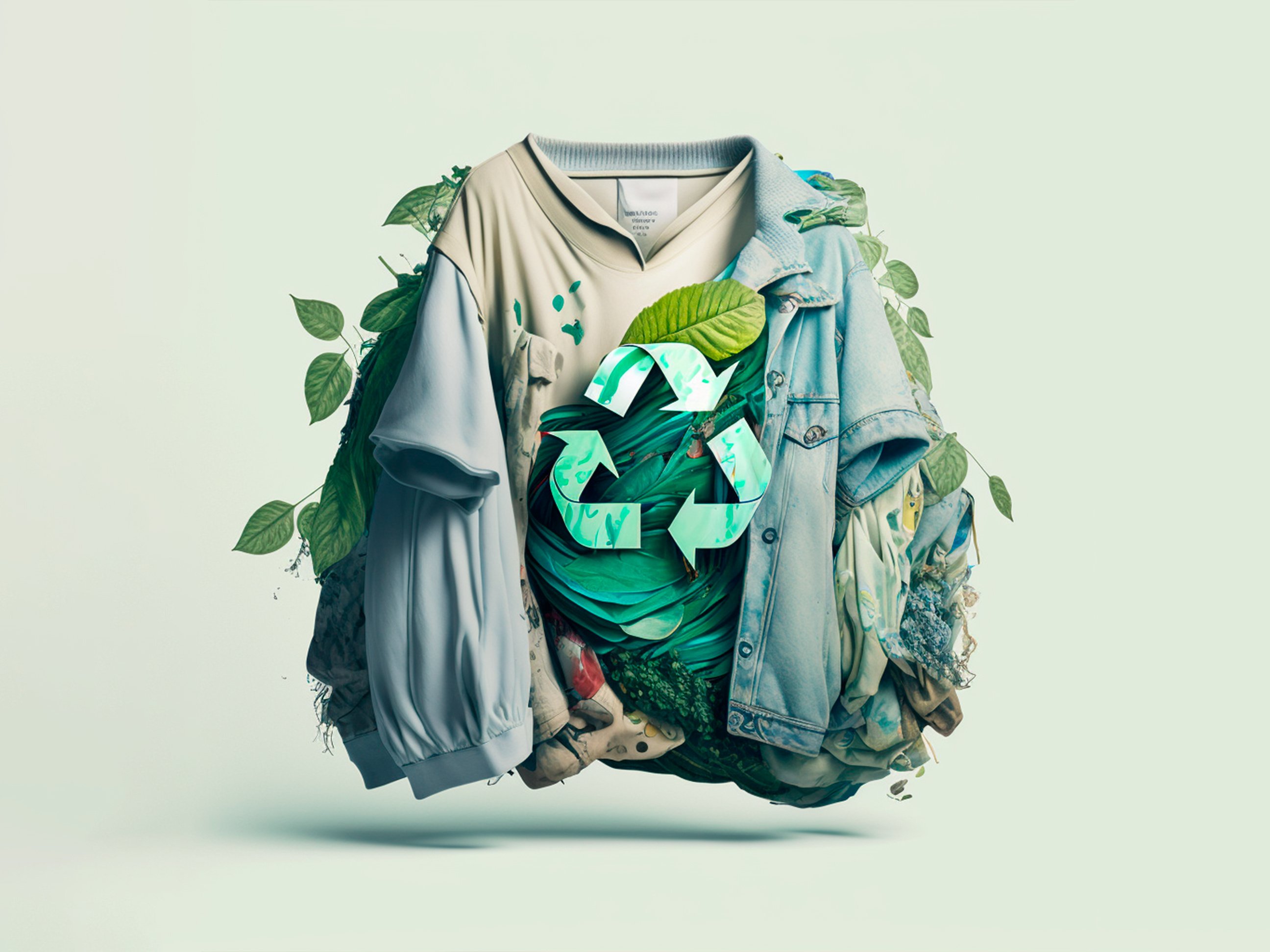
The fashion industry, long critiqued for its environmental impact, is undergoing a transformative shift towards sustainability. As consumers become more conscious of their ecological footprint, designers and manufacturers are innovating to create eco-friendly alternatives. This article delves into the latest advancements in sustainable fashion, focusing on groundbreaking materials like mushroom leather and recycled textiles.
The Need for Sustainable Fashion
The traditional fashion industry is notorious for its significant environmental impact. The production processes of conventional fabrics like cotton and polyester involve high water usage, chemical treatments, and significant carbon emissions. Fast fashion exacerbates this issue, leading to massive amounts of textile waste and pollution. In response, the industry is pivoting towards more sustainable practices and materials.
Mushroom Leather: The Future of Eco-Friendly Textiles
One of the most exciting developments in sustainable fashion is the creation of mushroom leather, also known as mycelium leather. Mycelium, the root structure of mushrooms, is an excellent alternative to animal leather due to its low environmental impact and biodegradable properties.
How Mushroom Leather is Made:
- Cultivation: Mycelium is cultivated on agricultural waste like sawdust and straw. This process requires significantly less water and land compared to traditional livestock farming.
- Growth: The mycelium is grown in controlled environments, allowing for rapid and efficient production. The material can be grown in a matter of weeks, compared to the years it takes to raise cattle.
- Processing: Once harvested, the mycelium is treated to enhance its durability and texture, making it comparable to animal leather in terms of feel and performance.
Benefits of Mushroom Leather:
- Sustainability: Mushroom leather is biodegradable, reducing waste and pollution.
- Resource Efficiency: It uses fewer resources and produces less carbon emissions than traditional leather production.
- Animal Welfare: It eliminates the need for animal products, aligning with vegan and cruelty-free principles.
Recycled Textiles: Closing the Loop
Recycling textiles is another pivotal aspect of sustainable fashion. The concept involves repurposing waste materials into new fabrics, thereby reducing the demand for virgin resources and minimizing landfill waste.
Types of Recycled Textiles:
- Recycled Polyester (rPET): Made from post-consumer plastic bottles, rPET reduces reliance on petroleum and decreases plastic waste. The bottles are collected, cleaned, and processed into fibers that can be spun into new fabrics.
- Recycled Cotton: Cotton scraps from manufacturing processes or used garments are collected, shredded, and spun into new yarns. This method conserves water and reduces the need for chemical fertilizers and pesticides.
- Recycled Nylon: Often sourced from discarded fishing nets and industrial waste, recycled nylon helps clean up the oceans while providing a durable fabric for clothing and accessories.
Benefits of Recycled Textiles:
- Waste Reduction: Recycling textiles diverts waste from landfills and reduces pollution.
- Resource Conservation: It conserves natural resources by reducing the need for virgin materials.
- Lower Environmental Impact: Recycled textiles generally require less energy and water to produce compared to their virgin counterparts.
Innovations in Sustainable Textile Production
Beyond mushroom leather and recycled textiles, there are numerous other innovations driving sustainable fashion forward:
- Bio-fabrication: This involves growing materials in labs using living organisms, such as bacteria or yeast. For instance, bio-fabricated silk mimics the properties of traditional silk without the need for silkworms.
- Plant-Based Fibers: Fibers derived from plants like hemp, bamboo, and pineapple leaves offer sustainable alternatives to conventional fabrics. These plants require fewer resources to grow and are biodegradable.
- Waterless Dyeing: Traditional dyeing processes consume vast amounts of water and produce toxic effluents. Innovations in waterless dyeing techniques, such as supercritical CO2 dyeing, significantly reduce water usage and environmental pollution.
The Role of Technology in Sustainable Fashion
Technology plays a crucial role in advancing sustainable fashion. Here are some key areas where technology is making a difference:
- Blockchain for Transparency: Blockchain technology is being used to track the supply chain of fashion products, ensuring transparency and ethical sourcing of materials.
- 3D Printing: 3D printing allows for on-demand production, reducing waste and overproduction. It also enables the creation of complex designs with minimal material usage.
- AI and Big Data: Artificial intelligence and big data analytics are helping brands predict trends and optimize inventory, reducing overproduction and waste.
Consumer Influence and Future Trends
The shift towards sustainable fashion is also driven by consumer demand. Today's consumers are more informed and conscientious, seeking brands that align with their values of sustainability and ethical practices. As a result, many fashion companies are adopting circular economy principles, where products are designed for longevity, repairability, and recyclability.
Future Trends to Watch:
- Circular Fashion: The adoption of circular fashion models, where garments are designed to be reused, recycled, or upcycled, is expected to grow.
- Eco-Friendly Innovations: Continued research and development in eco-friendly materials and processes will lead to new sustainable options.
- Collaborations and Partnerships: Collaborations between fashion brands, tech companies, and environmental organizations will drive further advancements in sustainable fashion.
Conclusion
The fashion industry is undergoing a significant transformation towards sustainability, driven by innovative materials like mushroom leather and recycled textiles. These advancements not only reduce the environmental impact of fashion but also offer consumers more ethical and eco-friendly choices. As technology continues to evolve and consumer demand for sustainable products grows, the future of fashion looks promisingly green. By embracing these innovations, the industry can pave the way for a more sustainable and responsible future.



0 Comments