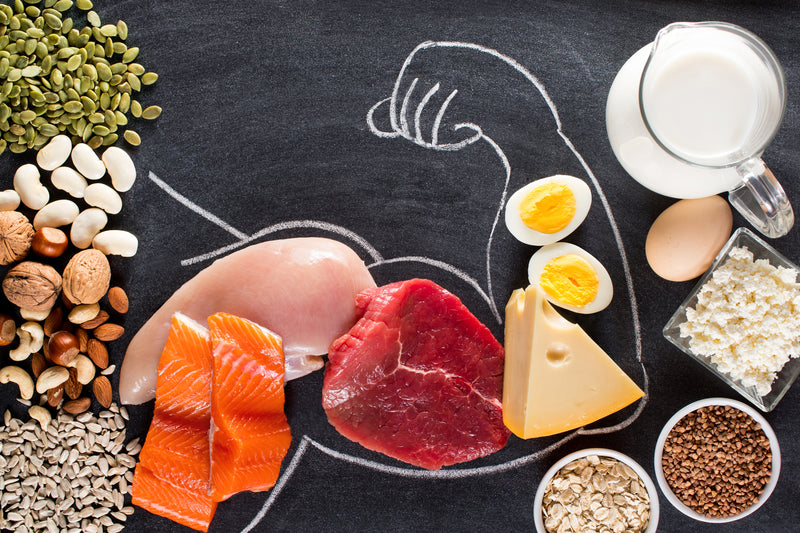
Post-workout nutrition is crucial for recovery, muscle growth, and overall performance. Consuming the right nutrients after exercising helps replenish energy stores, repair muscles, and reduce inflammation. This blog post will guide you through effective nutritional strategies to optimize your post-workout recovery.
1. Understanding Post-Workout Nutrition
Why It Matters: During exercise, your muscles use glycogen stores for energy, and your muscle fibers undergo wear and tear. Proper nutrition helps restore glycogen levels and repair muscle damage, promoting quicker recovery and muscle growth.
Key Nutrients:
- Carbohydrates: Replenish glycogen stores.
- Proteins: Repair and build muscle tissue.
- Fats: Support overall recovery but should be consumed in moderation post-workout.
- Hydration: Replaces fluids lost during exercise.
2. Timing is Crucial
Why It Matters: The timing of your post-workout meal can significantly impact your recovery. Consuming nutrients within a specific window after exercising can enhance muscle protein synthesis and glycogen replenishment.
Optimal Timing:
- The Anabolic Window: Aim to eat within 30 minutes to two hours after your workout for maximum benefits. This period is when your muscles are most receptive to nutrients.
3. Prioritize Protein Intake
Why It Matters: Protein is essential for muscle repair and growth. After a workout, your body needs amino acids to repair damaged muscle fibers and stimulate new muscle growth.
Protein Sources:
- Lean Meats: Chicken, turkey, and lean beef.
- Fish: Salmon, tuna, and other fatty fish.
- Dairy: Greek yogurt, cottage cheese, and milk.
- Plant-Based: Beans, lentils, tofu, and tempeh.
Recommended Intake:
- Amount: Aim for 20-30 grams of protein in your post-workout meal. This is typically enough to maximize muscle protein synthesis.
4. Replenish Glycogen with Carbohydrates
Why It Matters: Carbohydrates are your body’s primary energy source. After a workout, your glycogen stores are depleted and need replenishment to restore energy levels and support recovery.
Carbohydrate Sources:
- Whole Grains: Brown rice, quinoa, oats.
- Fruits: Bananas, berries, and apples.
- Starchy Vegetables: Sweet potatoes, corn, and peas.
Recommended Intake:
- Amount: Aim for a 3:1 ratio of carbohydrates to protein. For example, if you consume 20 grams of protein, you should aim for about 60 grams of carbohydrates.
5. Hydrate for Optimal Recovery
Why It Matters: Hydration is critical for recovery. Water plays a vital role in muscle function, nutrient transport, and temperature regulation.
Hydration Tips:
- Water: Drink plenty of water before, during, and after your workout.
- Electrolytes: Consider an electrolyte drink if you've had an intense workout or sweat heavily.
Recommended Intake:
- Amount: Aim to drink at least 16-24 ounces of water for every pound of body weight lost during exercise.
6. Incorporate Healthy Fats
Why It Matters: While carbohydrates and proteins are the primary focus post-workout, healthy fats can also play a role in overall recovery by reducing inflammation and supporting cellular health.
Healthy Fat Sources:
- Avocado
- Nuts and Seeds
- Olive Oil
- Fatty Fish
Recommended Intake:
- Moderation: Include small amounts of healthy fats in your post-workout meal. Avoid large quantities, as they can slow digestion.
7. Consider Supplements
Why It Matters: Supplements can help you meet your nutritional needs, especially if you find it challenging to get enough nutrients from food alone.
Popular Post-Workout Supplements:
- Protein Powder: Whey, casein, or plant-based options.
- Branched-Chain Amino Acids (BCAAs): To support muscle recovery and reduce soreness.
- Creatine: To enhance muscle recovery and strength gains.
- Glutamine: To support immune function and gut health.
8. Sample Post-Workout Meals
Why It Matters: Having a variety of post-workout meal ideas can make it easier to stick to your nutrition plan and keep your meals enjoyable.
Meal Ideas:
- Grilled Chicken with Quinoa and Steamed Vegetables: A balanced meal rich in protein and complex carbohydrates.
- Greek Yogurt with Berries and Honey: A quick and easy option packed with protein and antioxidants.
- Salmon with Sweet Potato and Spinach: Provides protein, healthy fats, and a good source of carbohydrates.
- Smoothie with Protein Powder, Banana, and Almond Butter: A convenient and customizable post-workout option.
9. Listen to Your Body
Why It Matters: Every individual’s nutritional needs and responses to exercise are different. Paying attention to how your body feels after eating can help you tailor your post-workout nutrition plan to your specific needs.
Tips:
- Adjust Portions: If you feel sluggish or hungry soon after your post-workout meal, adjust your portions to better meet your energy needs.
- Monitor Recovery: Pay attention to how quickly you recover and how sore you feel. Adjust your nutrient intake accordingly to optimize recovery.
Conclusion
Effective post-workout nutrition is essential for recovery, muscle growth, and overall performance. By prioritizing protein, replenishing glycogen with carbohydrates, staying hydrated, incorporating healthy fats, and considering supplements, you can enhance your recovery and get the most out of your workouts. Remember to listen to your body and adjust your nutrition plan as needed to achieve your fitness goals.



0 Comments