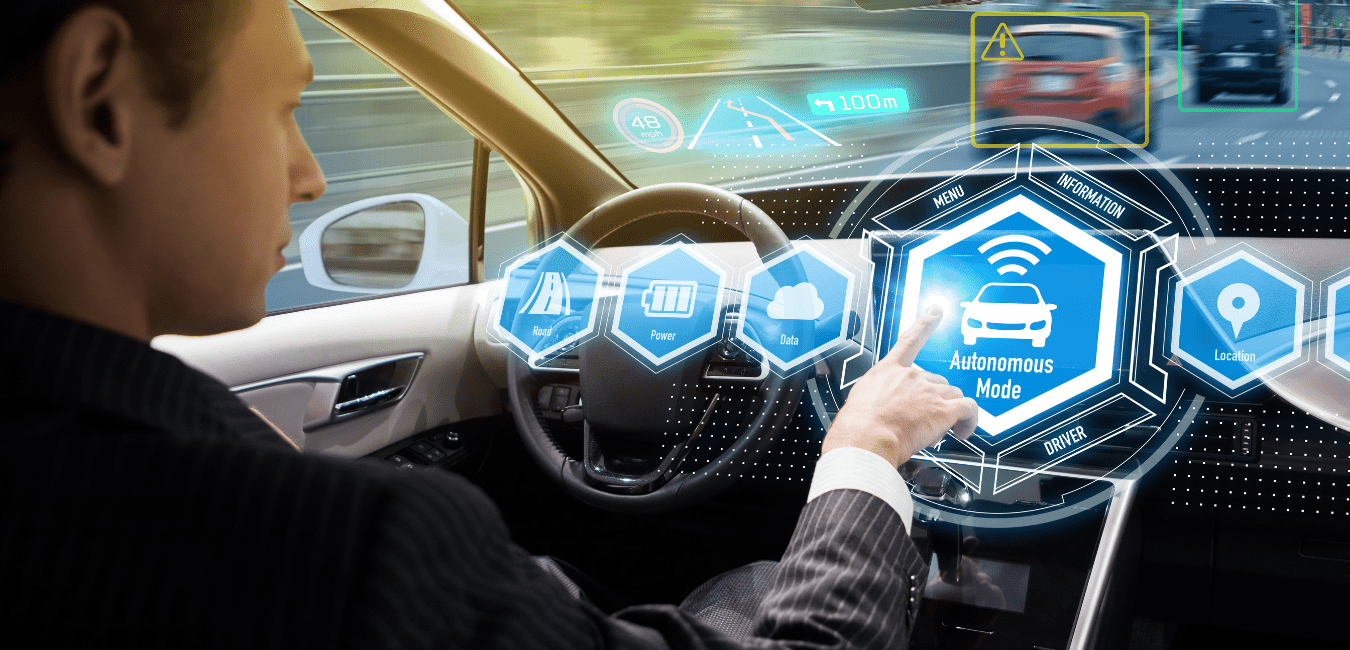
Autonomous vehicles (AVs), or self-driving cars, are transforming the transportation landscape. These vehicles use a combination of sensors, cameras, artificial intelligence (AI), and machine learning to navigate and operate without human intervention. As this technology advances, it brings forth numerous opportunities and challenges. This blog post explores the technology behind autonomous vehicles, the regulatory environment, and the potential societal impacts.
The Technology Behind Autonomous Vehicles
1. Sensors and Hardware:
- LIDAR (Light Detection and Ranging): Uses laser pulses to create a detailed 3D map of the vehicle's surroundings. It’s essential for identifying objects, distances, and road conditions.
- RADAR (Radio Detection and Ranging): Uses radio waves to detect objects and their speed. It’s crucial for adaptive cruise control and collision avoidance.
- Cameras: Provide visual data for object recognition, lane detection, and traffic sign recognition. Advanced AI algorithms process this data to make driving decisions.
- Ultrasonic Sensors: Used for close-range detection, such as parking assistance and obstacle detection.
- GPS and IMU (Inertial Measurement Unit): Provide precise location and movement data, essential for navigation and mapping.
2. Software and Algorithms:
- Perception: Processes data from sensors to understand the environment, identifying objects like pedestrians, vehicles, and road signs.
- Localization: Determines the vehicle’s precise location in its environment using sensor data and high-definition maps.
- Path Planning: Calculates the best route to the destination, considering traffic, road conditions, and obstacles.
- Control: Executes the driving commands, such as steering, acceleration, and braking, to follow the planned path.
3. Machine Learning and AI:
- Deep Learning: Utilized for image and pattern recognition, helping the vehicle interpret complex environments.
- Reinforcement Learning: Used for decision-making and improving driving strategies through simulated experiences and real-world data.
Regulatory Environment for Autonomous Vehicles
1. Current Regulations:
- Federal Level: In the U.S., the National Highway Traffic Safety Administration (NHTSA) provides guidelines and standards for AV testing and deployment. Similar regulatory bodies exist in other countries, like the European Union’s General Safety Regulation.
- State and Local Levels: Regulations can vary widely. Some states have implemented specific laws governing AV testing and usage, while others rely on federal guidelines.
2. Challenges in Regulation:
- Safety Standards: Establishing universal safety standards is challenging due to the diverse technological approaches and varying levels of vehicle autonomy (SAE Levels 0-5).
- Liability: Determining liability in accidents involving AVs is complex. It involves questions of software and hardware accountability, and the role of human passengers.
- Privacy and Data Security: Ensuring the protection of personal data collected by AVs is critical. Regulations must address data usage, storage, and cybersecurity.
3. Future Regulatory Trends:
- International Collaboration: Countries may collaborate to develop harmonized standards, facilitating global deployment and interoperability.
- Dynamic Regulations: Regulations are likely to evolve with technological advancements, incorporating real-time data and feedback from ongoing AV deployments.
Societal Impact of Autonomous Vehicles
1. Economic Impact:
- Job Displacement: AVs could disrupt industries reliant on human drivers, such as trucking, taxi services, and delivery. This may lead to job losses but also create new opportunities in tech development, maintenance, and AV operation.
- Cost Savings: AVs can reduce costs associated with accidents, fuel consumption, and traffic congestion. These savings could benefit consumers and businesses alike.
- New Business Models: AV technology may spur the development of new business models, such as ride-sharing services without drivers, autonomous delivery services, and mobile service units.
2. Environmental Impact:
- Emissions Reduction: AVs can optimize driving patterns, reduce idling, and improve fuel efficiency, leading to lower greenhouse gas emissions.
- Electric Vehicles: Many AVs are being developed as electric vehicles (EVs), further promoting the shift to cleaner energy sources and reducing reliance on fossil fuels.
3. Social and Urban Impact:
- Accessibility: AVs can enhance mobility for individuals who are unable to drive, such as the elderly and disabled, improving their quality of life.
- Urban Planning: Reduced need for parking spaces and optimized traffic flow can lead to more efficient urban planning, potentially reclaiming land for green spaces and community use.
- Safety: AVs have the potential to significantly reduce traffic accidents caused by human error, enhancing overall road safety.
4. Ethical and Psychological Impact:
- Ethical Dilemmas: AVs must be programmed to make complex ethical decisions in emergency situations. These decisions involve trade-offs that can raise moral questions.
- Public Trust: Gaining public trust is essential for widespread adoption. Transparent communication about safety, reliability, and benefits is crucial.
Conclusion
The rise of autonomous vehicles is poised to revolutionize transportation, offering significant benefits in terms of safety, efficiency, and accessibility. However, the technology also presents challenges that must be addressed through thoughtful regulation, ethical considerations, and societal adaptation. As AV technology continues to advance, collaboration between technologists, regulators, and the public will be essential to ensure a smooth and beneficial transition to an autonomous future.



0 Comments